

Performance Tips
Why Sprint Mechanics Matter More Than Most Athletes Think
A lot of athletes focus on running faster by simply “trying harder,” but speed isn’t just effort — it’s mechanics.
At AP Sports Training, we teach that how you sprint is just as important as how strong or fit you are.
What Sprint Mechanics Really Are
Sprint mechanics are the way your body moves while running at high speed.
They include:
Arm action
Leg drive
Posture
Foot placement
Ground contact time
Good mechanics help athletes move efficiently and explosively.
Better Mechanics = More Speed
Athletes don’t just get faster by training harder — they get faster by moving better.
Proper sprint mechanics help:
Increase acceleration
Improve top-end speed
Reduce wasted energy
Improve stride efficiency
Small technical changes can create big performance improvements.
Posture Controls Power Output
Body position plays a major role in speed.
Athletes with good sprint posture:
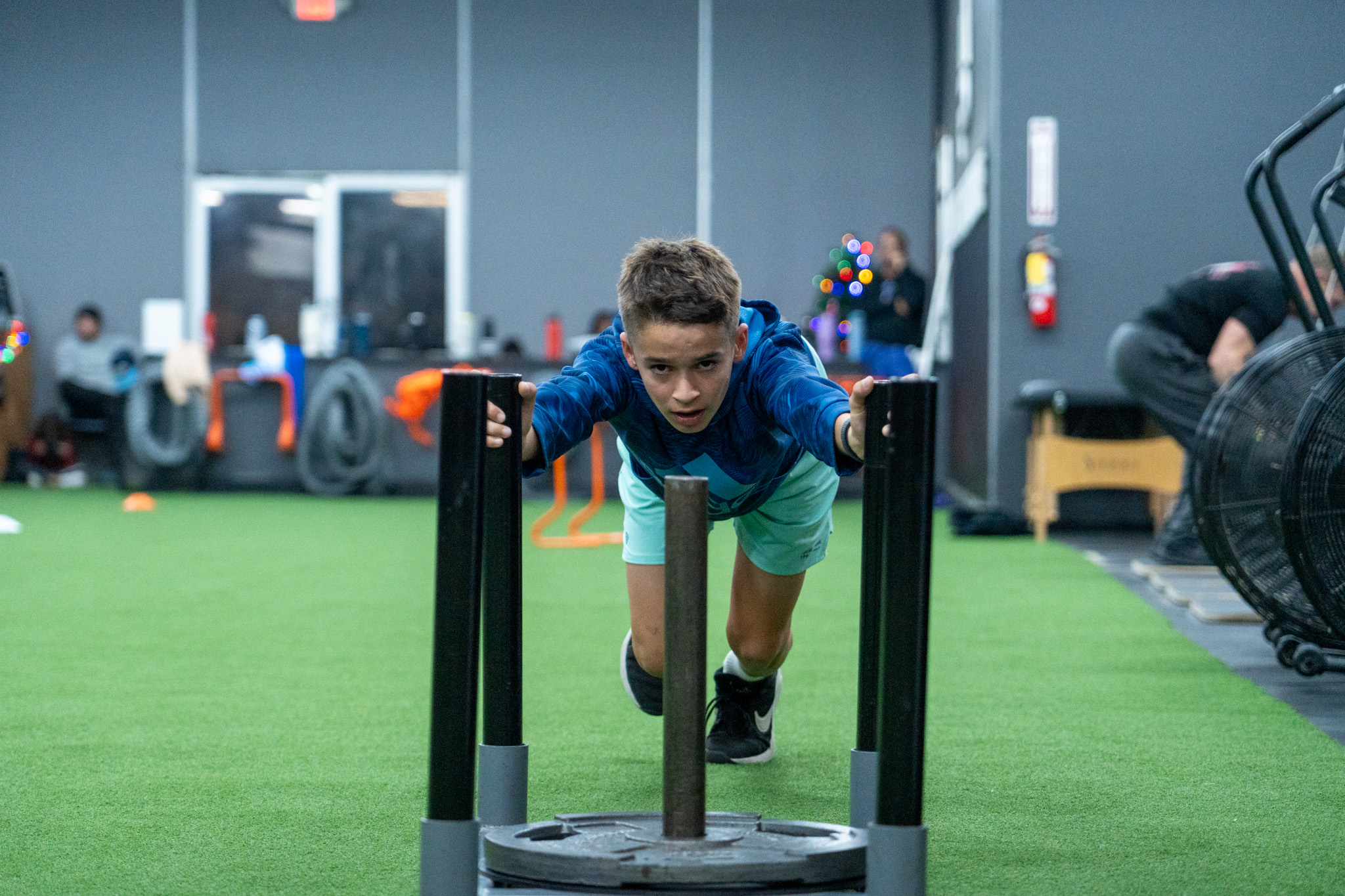
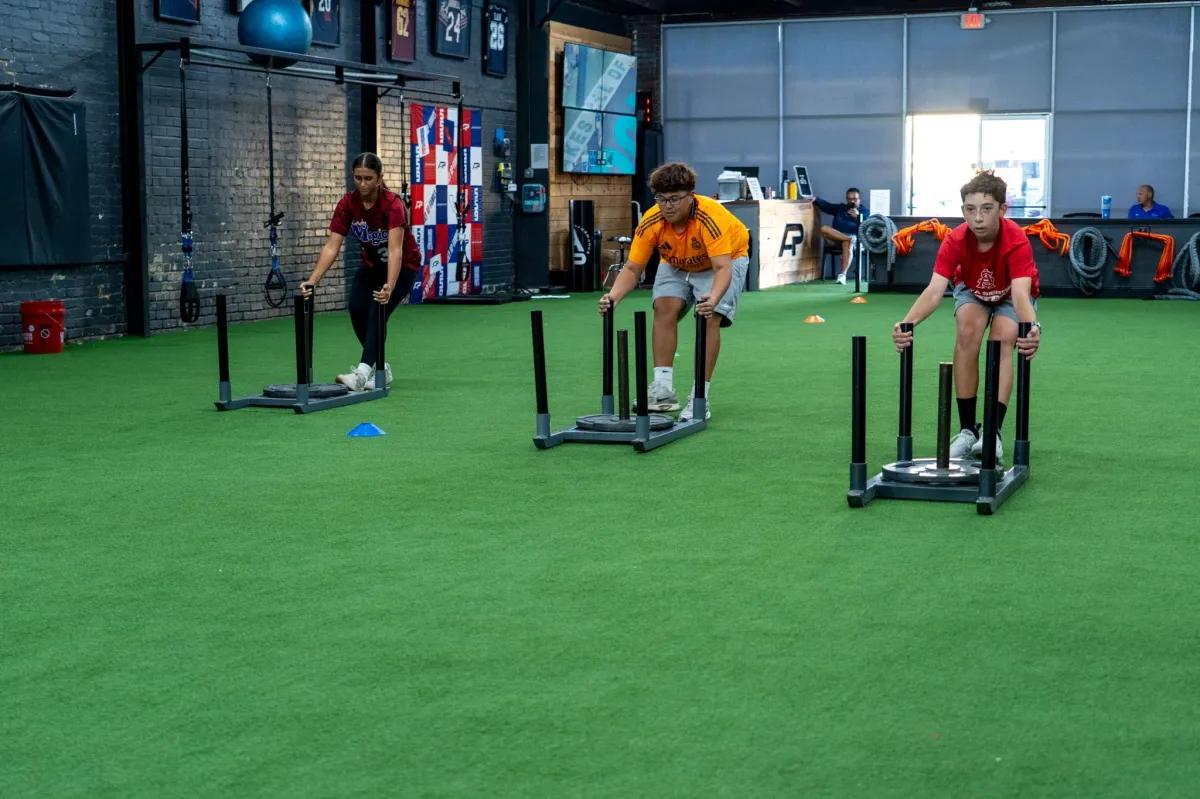
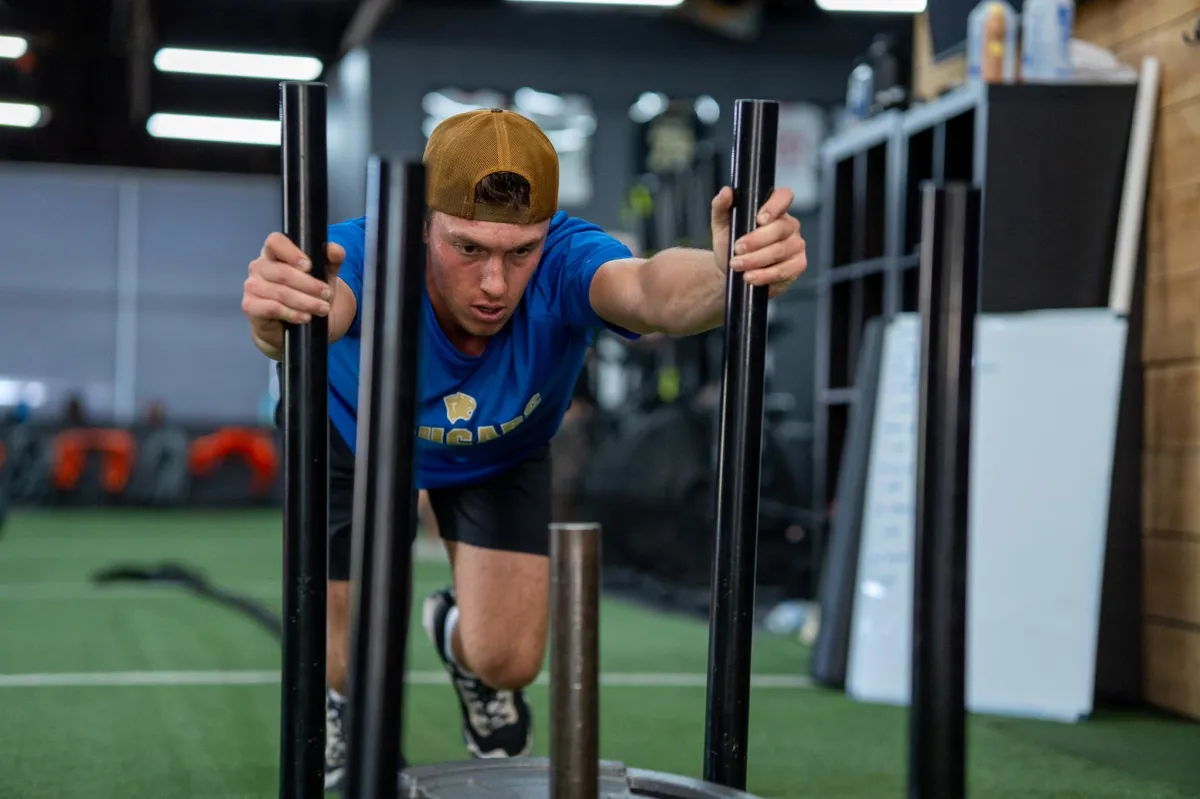
Stay slightly forward in acceleration
Keep a strong, stable torso
Avoid excessive vertical movement
Transfer force in the right direction
Poor posture leads to slower, less efficient movement.
Arm Action Drives Leg Speed
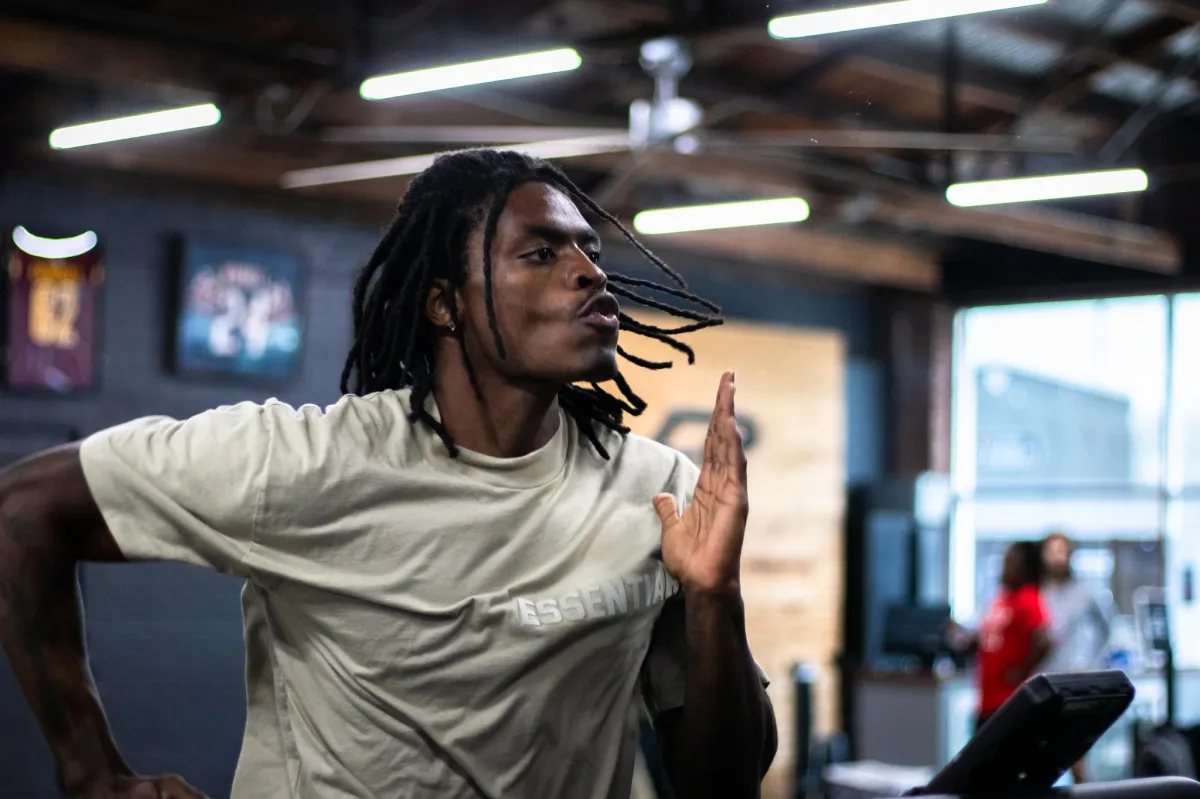
Arms are not just for balance — they help generate rhythm and power.
Strong arm mechanics:
Increase sprint cadence
Improve coordination
Support faster acceleration
Help maintain speed under fatigue
When arms slow down, legs often slow down too.
Ground Contact Time Matters
Speed is heavily influenced by how long your foot stays on the ground.
Elite sprint mechanics focus on:
Quick ground contact
Explosive push-off
Minimal braking forces
Efficient force application
The faster you leave the ground, the faster you move.
Mechanics Break Down Under Fatigue
Even strong athletes lose speed when mechanics fall apart.
That’s why training should include:
Short, high-quality sprints
Full recovery between reps
Focused technique work
Repetition under control
Good mechanics must be trained consistently.
Train Fast, Move Better
At AP Sports Training, we don’t just train athletes to run more — we train them to run correctly.
Because speed isn’t just about effort. It’s about how efficiently you move every step.

Ready To Get Started?
© Copyright 2026. Athletic Performance . All Rights Reserved.